Attic insulation is one of those home projects that’s easy to put off. But in the Northern Plains, mild fall weather is over before you know it.
When the first hard freeze arrives, most homeowners start worrying about heat loss. By then, insulation schedules fill quickly and attics are much colder to work in. Waiting too long means spending more of the heating season with an underinsulated attic.
September and October are the most reliable months to schedule blown-in attic insulation before winter. If you take care of it now, you can avoid the rush that comes with the first-freeze rush and make sure your home is ready for the long heating season.
If you’re unsure about your attic’s insulation, check its depth. This fall might be the right time to add a fall insulation installation to your to-do list and get on the schedule.
Why the Fall Window Closes Faster Than Homeowners Expect
Winter Arrives Before the Calendar Says It Should
In the Northern Plains, cold weather often arrives before winter officially starts.
Fargo’s earliest recorded measurable snowfall was two inches on Sept. 25, 1912. Snowfall there typically stretches from October into May, with January usually bringing the most snow.
The first snowfall doesn’t mean you’ve missed your chance to install insulation since blown-in work happens inside the house. Still, early snow reminds homeowners to plan when to insulate their attic before winter. Don’t assume you’ll have all of November or December to start.
The Footprint Sits in Cold-to-Very-Cold Zones
Fargo, Bismarck, and Grand Forks fall within Cold and Very Cold climate zones.
This leads to a long heating season. If your attic is underinsulated, waiting a few weeks means losing more heat and paying to replace it.
Wind is another challenge. Prairie Wind and Air Infiltration can make it harder for your home to keep warm air inside, so insulation and air sealing are both important in this region.
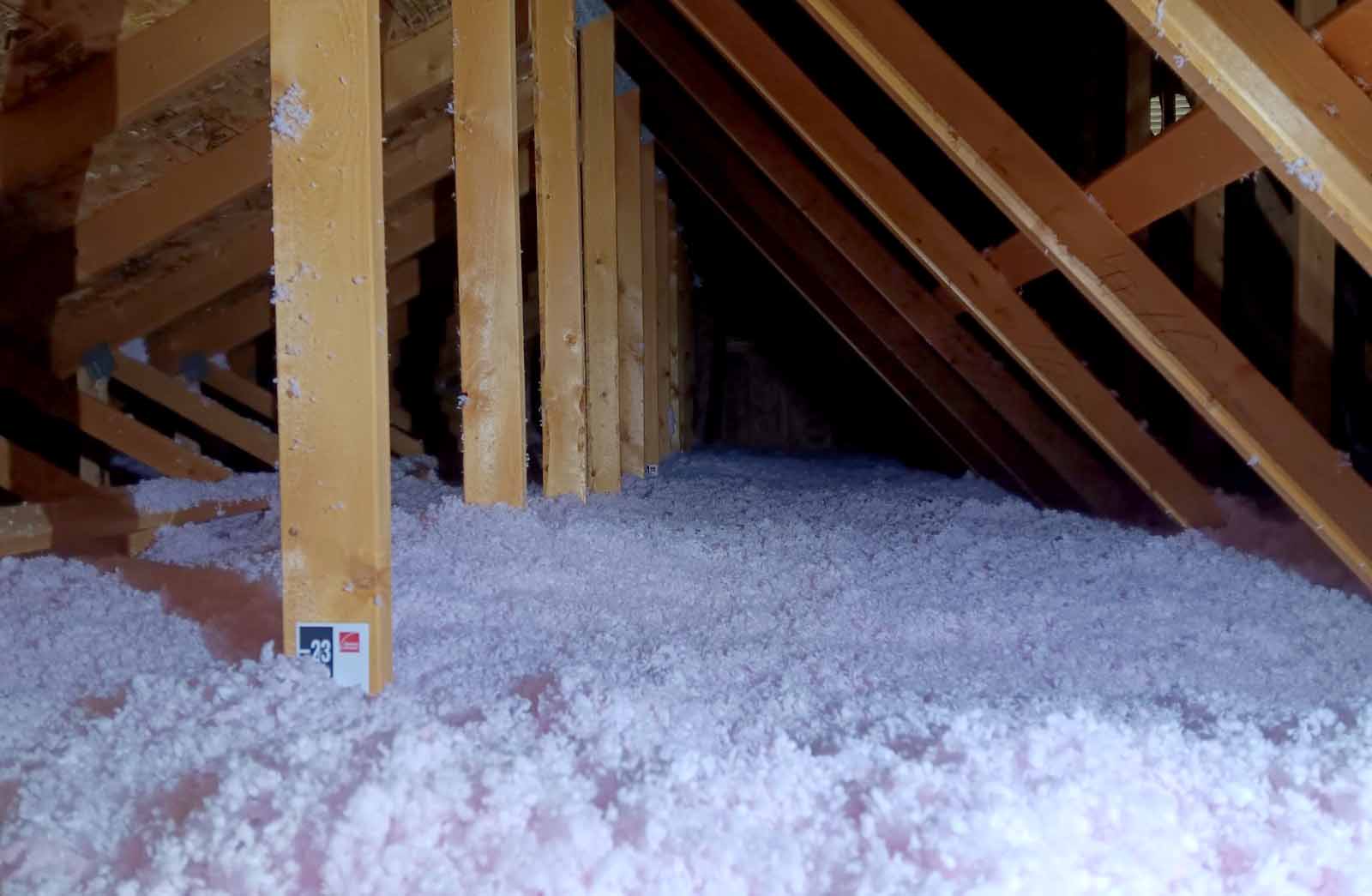
For homeowners considering attic insulation in Fargo, Bismarck, and Grand Forks, or cold climate attic insulation anywhere in the region, insulating your attic before deep winter lets you benefit from the upgrade for more of the heating season.
Cold Attics Make the Job Slower and Harder
You can use blown-in fiberglass in cold weather, but an unconditioned attic will stay nearly as cold as outside. In Zone 6 or 7 winters, crews often work in freezing conditions, which slows them down and makes sealing air leaks harder.
Before adding new insulation, crews must seal gaps or holes. Many sealants and caulks require a minimum temperature to work properly, so a frozen attic makes it harder for workers to do a good job.
Air leaks can cause other problems. When warm air from your house escapes into a cold attic, it can condense and form frost on the underside of the roof. Sealing these leaks and adding insulation before the coldest weather arrives can help prevent this.
What a Fall Blown-In Insulation Visit Actually Involves
The Walkthrough and Depth Check
The first step is to see what’s already in your attic. The work is done from inside the house, using usual attic access like a scuttle hatch or pull-down stairs. The crew checks the existing insulation depth before deciding what else is needed and quoting the job.
That depth helps determine what to add. For Climate Zones 6 through 8, recommended attic insulation levels are R-60 for an uninsulated attic and R-49 when the attic already has three to four inches of insulation.
This walkthrough helps homeowners see what insulation they already have and how much more they may need.
Air Seal First, Then Blow In
Adding insulation alone won’t help if warm air still escapes through gaps. Air seal openings around top plates, pipes, and other penetrations before adding loose-fill insulation. Otherwise, leaks will keep letting warm air into the attic.
It’s easier to do this work in the fall than during a Northern Plains winter. The attic is more comfortable to work in, sealants are easier to apply, and crews can work more thoroughly.
The Blow-In Itself
After preparing the attic, crews install loose-fill blown-in fiberglass attic insulation to a calibrated depth. For most homes, crews can do this in a single visit. A hose runs from the truck through the attic access, spreading the fiberglass insulation evenly across the attic floor.
Snow doesn’t stop installation because crews don’t need roof access. Scheduling earlier makes it easier to book a time. Attic conditions are better, and you can enjoy more of the heating season with the new insulation already in place.

Why Waiting for the First Cold Snap Puts You at the Back of the Line
The Backlog Nobody Plans For
Once the first freeze hits, homeowners who delayed attic insulation start calling for appointments at the same time. With more people trying to get on the schedule, remaining appointments fill quickly.
This is the real blown-in attic insulation deadline to keep in mind. You can still do the work after this point, but it becomes harder to get your preferred timing.
If you wait too long, your project might be delayed several weeks, possibly into deep winter or until the spring rush clears.
The Heating Bill Clock Is Already Running
While you wait for your insulation date, an underinsulated attic continues losing heat. If you get the work done in September or October, the insulation is in place for the heating season. If you wait until December, you miss part of that season without the extra insulation.
Cold climate insulation timing is important because starting the project sooner means your attic spends less time underinsulated during the heating season.
Booking Ahead Protects the Timeline
Planning fall insulation scheduling in September or early October gives you more scheduling flexibility. Crews can work in more comfortable attic conditions, and you have more open appointment options before the cold-weather rush. It also gets the work done before more of the heating season passes.
If your attic needs more insulation, booking residential insulation before the seasonal rush helps keep your project on track.
FAQ

September and October are the most reliable months to book blown-in heating season attic insulation in the Northern Plains. Waiting for the first snow doesn’t make blown-in insulation impossible. However, it can leave you with fewer scheduling options and more of the heating season spent with an underinsulated attic.
Look at your attic now instead of waiting for the first cold snap. Cullen Insulation can help you figure out what your attic needs and set up a free estimate before the first snow and the late-fall rush.
References
United States, Department of Energy. “Building America Climate-Specific Guidance.” Energy.gov, U.S. Department of Energy, www.energy.gov/cmei/buildings/building-america-climate-specific-guidance.
United States, Environmental Protection Agency. “Recommended Home Insulation R-Values.” ENERGY STAR, www.energystar.gov/saveathome/seal_insulate/identify-problems-you-want-fix/diy-checks-inspections/insulation-r-values.
United States, Environmental Protection Agency. “Rule Your Attic! For Comfort and Savings.” ENERGY STAR, www.energystar.gov/saveathome/seal_insulate/rule_your_attic.
Godon, Vincent, and Nancy Godon. Fargo, North Dakota Climate. Minnesota Department of Natural Resources, files.dnr.state.mn.us/natural_resources/climate/summaries_and_publications/fargo_climate.pdf.
Insulation Institute. IECC Compliance Guide for Homes in North Dakota. North American Insulation Manufacturers Association, 2015, insulationinstitute.org/wp-content/uploads/2015/12/ND-2009.pdf.
Insulation Institute. IECC Compliance Guide for Homes in South Dakota. North American Insulation Manufacturers Association, 2015, insulationinstitute.org/wp-content/uploads/2015/12/SD-2009.pdf.
Insulation Institute. IECC Compliance Guide for Homes in Montana. North American Insulation Manufacturers Association, 2015, insulationinstitute.org/wp-content/uploads/2015/12/MT-2009.pdf.